
Conference Schedule • Conference Information
Online Registration • Continuing Education Unit Information
Directions to the Marriott NW Hotel and Conference Center • Cancellation Policy
Conference Schedule
8 - 9 a.m. - Registration and Exhibits Open
- Exhibits are open 8 a.m. to 3 p.m.
8:45 - 9 a.m. - Opening Remarks
9 - 9:15 a.m.The State of Stroke Care in Minnesota, presented by Nicky Anderson, RN, BSN, SCRN
9:15 - 10:30 a.m. - Keynote Address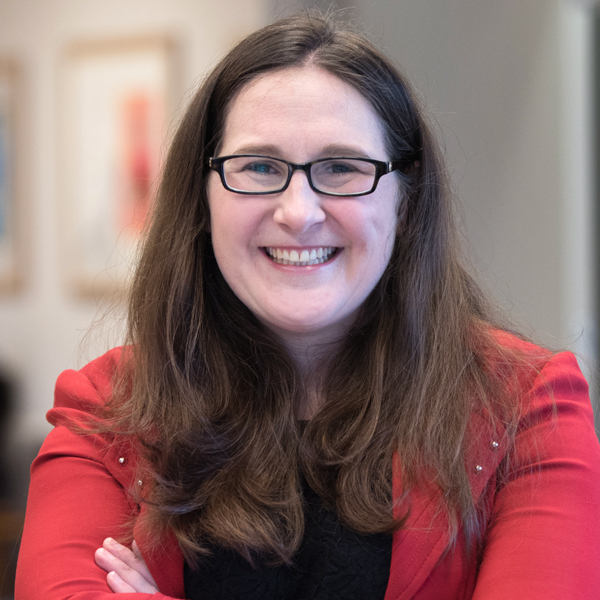
Keynote Address - Children Are Not Small Adults: Acute Treatment for Pediatric Stroke
Laura Lehman, MD, MPH, Associate Professor; Attending in Neurology, Outpatient Medical Director, Harvard Medical School; Stroke and Cerebrovascular Center, Department of Neurology, Boston Children's Hospital
In this session, we will discuss why pediatric arterial ischemic stroke differs from adult stroke and how to recognize and evaluate acute stroke in children. Next, we will discuss acute treatment for children with arterial ischemic stroke. Finally, we will consider where adult stroke paradigms can be applied and where they cannot.
Dr. Laura Lehman is an Associate Professor of Neurology at Harvard Medical School and a pediatric neurology attending at Boston Children’s Hospital. Dr. Lehman is the Outpatient Medical Director of the Stroke and Cerebrovascular Center. She went to Medical School at University of Cincinnati. Her pediatric neurology residency was completed at Cincinnati Children’s Hospital Medical Center. Dr. Lehman completed a fellowship in Stroke and Cerebrovascular Disorders at Boston Children’s Hospital. Her research focuses include pediatric stroke outcomes including mental health as well as the epidemiology, clinical and radiographic presentations, etiology, and treatment of pediatric moyamoya arteriopathy. Dr. Lehman is a world expert in pediatric moyamoya and is co-Chair of the Moyamoya Working Group through the International Pediatric Stroke Study (IPSS) and the International Pediatric Stroke Organization (IPSO). Through the Moyamoya Working Group she helped to establish the International Pediatric Moyamoya Registry (IPMR).
10:30 - 11 a.m. - Break and Exhibits Open
11 a.m. - 12 p.m. - Breakout Sessions I
- Pediatric Moyamoya Arteriopathy: Not Just a Puff of Smoke
Laura Lehman, MD MPH, Associate Professor; Attending in Neurology, Outpatient Medical Director, Harvard Medical School; Stroke and Cerebrovascular Center, Department of Neurology, Boston Children's Hospital
This session will discuss the current landscape of pediatric moyamoya arteriopathy, including clinical presentation, associated syndromes and etiologies, radiographic presentations, and evidence-based treatment. This session will conclude by identifying specific areas within the field of pediatric moyamoya arteriopathy where research is needed and the key questions to be addressed.
- Artificial Intelligence (AI) and Stroke Rehabilitation: Practical Applications for the Interprofessional Team
Crystal Gateley, PhD, OTR/L, FAOTA, Associate Chair, Program Director, Teaching Professor, University of Missouri
Artificial intelligence (AI) has changed health care in countless ways over the past few years. This session will review how AI is being used in stroke rehabilitation by interprofessional team members. Participants will have the opportunity to practice prompt creation with generative AI tools. The overall goal of this session is for participants to leave with ideas for practical applications of AI in their own practice settings.
- Stroke Coordinator Connections: Strengthening ASRH Programs
Nicky Anderson, SCRN, ASC-BC, Stroke Program Director, Minnesota Department of Health
Michelle Gray Ansari, MSW, Stroke System Designation Coordinator, Minnesota Department of Health
Sarah Meissner Hinck, PT, Stroke System Evaluation Specialist, Minnesota Department of Health
Please join the MDH Stroke Team and partners to explore the roles and responsibilities of an Acute Stroke Ready Hospital (ASRH) stroke coordinator. Through interactive tabletop discussions, participants will share experiences, discuss challenges, and exchange best practices on topics including the Stroke Registry, quality improvement, designation application and site visit preparation, and building and sustaining a successful stroke program.
- The Impact of Sex and Gender on Cerebrovascular Health
Carlee Oakley, M.D., M.S., Mayo Clinic
This presentation explores how sex- and gender-related factors affect stroke risk, symptoms, treatment and outcomes throughout a woman’s life. It examines women’s higher lifetime stroke risk and the effects of hypertension, diabetes, obesity and atrial fibrillation. The session also covers risks related to contraception, pregnancy and postpartum complications, endometriosis and menopause. Attendees will learn how early menopause affects vascular risk, why hormone therapy requires individualized assessment and how evidence-based prevention can improve women’s cerebrovascular health, particularly during pregnancy.
- Optimizing Acute ICH Management: Building and Implementing a System-Wide ICH Care Pathway
Praveen Hariharan, MD, RPNI, Assistant Professor, University of Minnesota
Hemanth Kumar Arumugam, MBBS, Stroke Research Fellow, University of Minnesota
This session will provide a comprehensive, practical roadmap for translating evidence-based acute ICH guidelines into a standardized pathway across a health system. Attendees will briefly review the latest guideline updates and safety metrics in acute ICH management before exploring the structural rationale for an Integrated ICH Care Pathway. The presentation will detail our real-world experience developing and implementing a system-wide pathway. Presenters will discuss multidisciplinary coordination and highlight the benefits, institutional hurdles, and key lessons learned during the rollout.
- New Horizons in Stroke Recovery and Rehabilitation--Neuromodulation
Zafer Keser, Vascular Neurologist, Associate Professor of Neurology, Mayo Clinic & University of Minnesota
Implantable and noninvasive neuromodulation techniques combined with behavioral therapies represent a new horizon in reducing disability after stroke. During this presentation, the presenter will highlight various neuromodulation techniques that (1) have already received FDA approval and are part of clinical practice, (2) are in different stages of clinical trials and have the potential to become part of the therapeutic armamentarium for stroke recovery, or (3) are still in preclinical stages but are emerging as promising treatments.
12 - 1 p.m. - Lunch
Lunch is provided as part of your registration fee.
1 - 2 p.m. - Breakout Session II
- Documentation to Support Stroke Rehabilitation
Sydney Marshman, OTD, OTR/L, BCG, Chief Executive Officer, Happy at Home Consulting
Documentation is essential to stroke rehabilitation, helping clinicians communicate a person’s abilities, support needs and whether continued services are appropriate. This session examines documentation’s role in tracking progress, supporting interdisciplinary communication and presenting an accurate picture of function. It also addresses payer expectations, prior authorization and third-party review, including how records may be interpreted by people not present for therapy. Practical examples will cover assessment selection, discrepancies, care-partner involvement, safe discharge planning and ongoing stroke recovery.
- BEFAST, Be Ready: Empowering Young Learners
Chelsey Kuznia, BSN, RN, SCRN, ASC-BC, Stroke Program Manager, Essentia Health
Molly Murch, MSN, RN-BC, SCRN, CBIS, Stroke Program Educator, Essentia Health
Essentia Health’s community-based Stroke Boot Camps teach young learners how to recognize stroke warning signs and respond quickly. Programs are tailored to each age group and use interactive, age-appropriate activities to promote engagement and knowledge retention. A multidisciplinary team draws on expertise from across health care to provide comprehensive education while maximizing efficiency and community impact. By giving students the skills and confidence to recognize symptoms and act, the program aims to raise stroke awareness and support earlier activation of emergency medical services.
- The Power of Peer Connection After Stroke: Leveraging Lived Experience to Support Recovery and Community Reintegration
Julie Gebhardt, CTRS, Lead Stroke Rehab Care Guide, Courage Kenny Rehabilitation Institute - Part of Allina Health
Liz Friederich, MSW, LICSW, CBIS, Manager of Courage Kenny Care Management, Courage Kenny Rehabilitation Institute - Part of Allina Health
Courage Kenny Rehabilitation Institute’s Peer Visiting Program connects stroke survivors and caregivers with trained volunteers who provide encouragement, insight and hope from lived experience. This session shows how peer support complements rehabilitation while addressing the emotional and social challenges of recovery. It reviews volunteer recruitment, training, referrals and matching, documentation, interdisciplinary collaboration and ongoing support. Attendees will gain practical strategies for using peer visits to build confidence, reduce isolation, support caregivers and promote community reintegration.
- From Recognition to Rescue: Implementing an Elevated Intracranial Pressure and Brain Herniation Response Process
Stacy Jepsen, MSN, RN, ACNS-BC, CCRN, APRN- Clinical Nurse Specialist, Ridgeview
Kelly Kabat, PharmD, BCP, Pharmacist, Clinical Coordinator, Ridgeview
Brain herniation is a rare, life-threatening neurologic emergency requiring immediate recognition and treatment. After a gap analysis found variation in recognition, medication ordering and treatment across care settings, a multidisciplinary team created a standardized response program for elevated intracranial pressure and herniation. It includes recognition criteria, an EHR order module, 23.4 percent hypertonic saline and layered medication and bedside safeguards. This session reviews development, implementation, education and sustainability strategies and offers tools to improve patient safety and clinician confidence.
- Lifetime Costs Associated with Disability in People with Pediatric Stroke
Mark Gormley, MD, Medical Director of Ped PMR, Gillette Children's
Nanette Aldahondo, MD, Medical Director Inpatient Rehabilitation Gillette Children's, Gillette Children's
This course will outline standard methods for assessing the medical and social needs of people with pediatric stroke and estimating life expectancy, service costs, and wage losses. The latest research on the economic costs of pediatric stroke will be incorporated. Using case examples with varying levels of medical severity, presenters will ask participants to help develop cost estimates. Participants will gain a better understanding of the direct and indirect lifetime medical and socioeconomic costs associated with pediatric stroke.
- From Plateau to Progress: Integrating Vivistim (paired VNS) into Occupational Therapy Practice and Revolutionizing Chronic Stroke Rehab
Emily Salveson, Occupational Therapist State and Nationally Certified, Occupational Therapist, Allina Health Courage Kenny Rehabilitation Institute
Persistent upper extremity motor impairment is a common challenge for people with chronic stroke. The FDA-approved Vivistim Paired VNS System combines task-specific rehabilitation with vagus nerve stimulation to enhance neuroplasticity and motor recovery. A neurosurgeon implants a small pulse generator in the upper left chest and connects it by a lead to the left vagus nerve. During occupational therapy, the therapist activates the device to deliver a brief electrical pulse as the patient practices purposeful movements.
Studies, including meta-analyses and the pivotal trial, have demonstrated two- to threefold improvements in upper extremity function compared with rehabilitation alone. This session will examine how paired VNS can be integrated into evidence-based, activity-driven, and client-centered occupational therapy to reinforce neural pathways, improve function, and help gains carry over into daily life.
2 - 2:30 p.m. - Break and Exhibits Open
2:30 - 3:30 p.m. - Breakout Session III
- Dysphagia After Stroke
Sarah Maul, Certificate of Clinical Competency, Speech-Language Pathologist, Madonna Rehabilitation Hospital, Omaha, NE
After stroke, many patients are diagnosed with dysphagia. These swallowing deficits pose barriers to success in the post-acute care setting and are directly addressed by speech-language pathologists. This session will provide a general overview of dysphagia, from the initial medical event through formal swallowing assessment and intervention. Attendees will learn about the timeline for dysphagia diagnosis and treatment, as well as actions they can take in their daily practice to better support patients with dysphagia.
- What's Going on Inside That Head? Why Every Stroke Doesn't Present the Same Way
Joan Somes, RN - BC, PhD, CEN, CPEN, FAEN, NRP, Critical Care Educator, MDH Acute Stroke Ready Hospital Site Reviewer, Regions Hospital EMS, Minnesota Department of Health
Lack of oxygenated blood flow to an area of the brain due to a clot, hemorrhage, or other cause will lead to loss of function in that portion of the brain. Sometimes the injury and symptoms are quite obvious; at other times, they may be subtle yet life-changing, and action must be taken. Specific signs and symptoms often help identify and pinpoint where the injury is occurring. Using case studies, this session will examine assessment findings that indicate injury in the brain and help locate the affected area. Assessment tools will be briefly reviewed, as will actions that may be required.
- Using Poetry and Crop Art to Recover from Aphasia
Rochelle M. Anderson, Retired Attorney/Stroke Survivor
Using a slide presentation, Rochelle Anderson will describe her recovery from a severe stroke she experienced nearly 20 years ago. She will outline her initial illness and steady rehabilitation through speech therapy. In 2017, Anderson began creating seed art for the Minnesota State Fair, with aphasia as the primary theme. In 2020, she began writing poetry to help improve her aphasia, and she will describe the process of publishing her poetry book.
- Small Facility, Big Impact: Achieving Stroke Excellence in Rural Settings
Shaina Madrid, MA, CPHQ, LSSGB, Quality Consultant, Rural, American Heart Association
Rural hospitals and critical access facilities play a vital role in stroke systems of care, often managing patients with limited resources and complex transfer needs. Still, rural programs often achieve excellence and quality performance through innovation and collaboration. This session will explore practical strategies for improving ischemic and hemorrhagic stroke care, including efficient transfer workflows, evidence-based protocols, and enhanced stroke measures. Peer benchmarking insights and Minnesota’s 2026 GWTG-Stroke award recipients will provide real-world examples of success. Attendees will leave with actionable ideas to strengthen stroke performance, improve patient outcomes, and advance programs of any size.
- From Brain to Heart: A Neurocardiology Approach to Stroke Workup and Prevention
Nida Akram, MD, Assistant Professor, University of Minnesota
The intersection of stroke and cardiac disease continues to evolve as new approaches to arrhythmia detection and stroke prevention emerge. This session will explore evolving strategies for detecting atrial fibrillation (AF) after stroke, including prolonged and implantable cardiac monitoring, and the clinical significance of device-detected AF. We will discuss contemporary approaches to stroke prevention, from anticoagulation to left atrial appendage closure in selected patients. The session will also highlight how collaboration among vascular neurology, electrophysiology, and structural cardiology can improve the evaluation and long-term management of patients with cardioembolic stroke.
- The Many Faces of Young Stroke: Survival, Severity, and Recovery
Terri Kopka, DNP, MSN-NE, RN, PHN, Nurse Educator
Kate Fayer, DNP, MSN-NE, SCRN, RN, Nurse Educator
Stroke in young adults is rising, yet post-acute rehabilitation standards are largely designed for older populations and prioritize basic self-care over higher-level cognitive, vocational, and life-restoration needs. Through real-world cases involving ischemic and hemorrhagic strokes, this presentation examines the varied recovery trajectories of survivors ages 16 to 45. Many are discharged into settings ill-equipped to address executive dysfunction and complex return-to-work pathways. Their experiences reveal the limits of a one-size-fits-all model and the need for an age-tailored protocol that includes high-intensity physical, cognitive, vocational, and psychosocial support.
Conference Schedule • Conference Information
Online Registration • Continuing Education Unit Information
Directions to the Marriott NW Hotel and Conference Center • Cancellation Policy
