
Schedule • (Online Registration has closed)
Directions and Accommodations • Continuing Education Unit Information • Cancellation Policy
Conference Schedule
8 - 9 a.m. - Registration and Exhibits Open
- Exhibits are open 8 a.m. to 3 p.m.
8:45 - 9 a.m. - Opening Remarks
9 - 9:15 a.m.The State of Stroke Care in Minnesota, presented by Nicky Anderson, RN, BSN, SCRN
9:15 - 10:30 a.m. - Keynote Address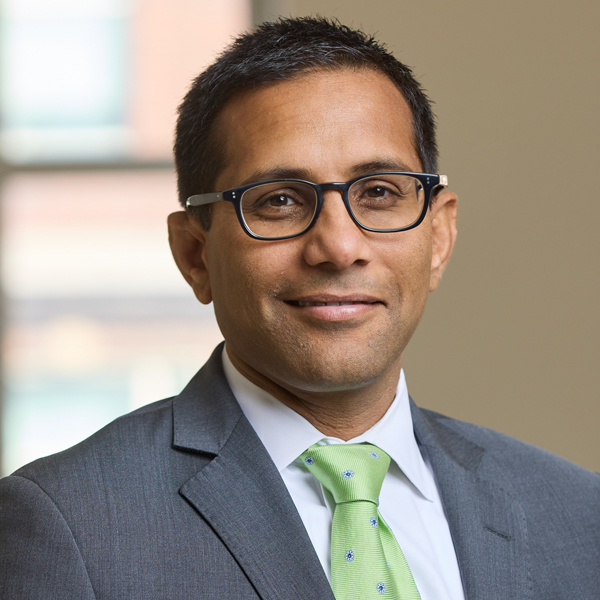
Keynote Address - Brain Hemorrhage as an Opportunity: Showcasing Quality Care and Clinical Science
Kevin N. Sheth, MD, Director, Yale Center for Brain & Mind Health, Vice Chair for Clinical and Translational Research, Departments of Neurology and Neurosurgery, Yale School of Medicine
Dr. Sheth will present evidence-based strategies for delivering high-quality care while integrating the latest clinical research to improve treatment and recovery for patients with brain hemorrhage. This keynote will highlight current approaches in secondary prevention, innovative methods to reduce recurrence, and ways to improve long-term prognosis for survivors.
Dr. Sheth is a distinguished physician-scientist whose research in cerebrovascular and brain health science is transforming stroke treatment and prevention. In a team science model, he led the translational program of glyburide towards preventing brain edema, directed the first NIH trial in brain hemorrhage survivors, and deployed a portable MRI system for neurological disease, the latter of which led to first in class FDA approval. He is also a co-founder of Alva Health, working to develop the first real-time solution for stroke detection. He is passionate about improving outcomes for stroke survivors with disability, including brain hemorrhage survivors. As a fellow of the AHA, he was a member of the AHA ICH guidelines, received the AHA Stroke Research Mentorship (Sacco Award), and is the founding chair of the AHA ICH working group in hemorrhagic stroke.
10:30 - 11 a.m. - Break and Exhibits Open
11 a.m. - 12 p.m. - Breakout Sessions I
- Management of Patients Post-Stroke: An Evidence Update
Stacie Christensen, PT, DPT, NCS, CBIS, CSRS, Assistant Professor, University of Nebraska Medical Center
This session will summarize the most recent Clinical Practice Guidelines for stroke rehabilitation, focusing on locomotor training, outcome measure selection, and orthotic/electrical stimulation strategies. Participants will gain practical tools for applying these recommendations in clinical practice and will be introduced to knowledge translation resources designed to support decision-making at the point of care.
- Bridging the Gap: Advancing Stroke Management in Neurologically Underserved Regions
Ganesh Asaithambi, MD, Neurologist-Stroke, Allina Health
This presentation will address the unique challenges of delivering stroke care in regions with limited access to neurological resources. Dr. Asaithambi will explore current barriers, review models for expanding specialized care, and present strategies that strengthen collaboration among providers to improve outcomes for patients in underserved areas.
- Effects of a Newly Adopted Stroke Outcome Measure on a Rehabilitation Department
Meghan Lunos, OTR/L, Occupational Therapist, Regions Rehabilitation
Allison Engebretson, OTR/L, Occupational Therapist, Regions Rehabilitation
This session will provide insight into the process of adopting a new outcome measure within a rehabilitation department. Presenters will describe the reasons for selecting the tool, how it was introduced into practice, and the impact of its use across the organization. Participants will learn about lessons gained during implementation and implications for patient care.
- If the ICH Big Picture is a Mess, the Details Won’t Save You … But Those Details!
Kevin N. Sheth, MD, Director, Yale Center for Brain & Mind Health, Vice Chair for Clinical and Translational Research, Departments of Neurology and Neurosurgery, Yale School of Medicine
This session will examine the long-term experiences of survivors of intracerebral hemorrhage and the importance of fostering positive cycles of recovery. Dr. Sheth will review strategies for combining excellent medical management with ongoing support for persistent risk factors, with the goal of creating pathways of hope and improved quality of life for patients.
- Should I Call a Stroke Code? Looking At Ways To “Pick Up” Subtle Strokes Using Case Studies
Joan Somes, RN, PhD, MSN, CEN, CPEN, FAEN, NRP, EMS Consultant, Regions Hospital EMS, MN Department of Health, MN Department of Transportation, and Independent Consultant
This interactive session will use real case studies to guide participants in assessing patients with sudden neurological deficits that may indicate stroke. Attendees will explore stroke screening tools, practice applying them, and learn to recognize subtle clinical signs of stroke. The presentation will emphasize how careful observation can support timely intervention and improve patient outcomes.
12 - 1 p.m. - Lunch
Lunch is provided as part of your registration fee.
1 - 2 p.m. - Breakout Session II
- Pushing Boundaries: Understanding and Treating Post-Stroke Lateropulsion
Sarah Meissner Hinck, PT, DPT, MPH, NCS, Clinical Data Analyst - Stroke Program, Hennepin Healthcare
This presentation will review the phenomenon of lateropulsion, also known as pusher behavior, and its impact on stroke rehabilitation. Attendees will gain an overview of prevalence, current literature, key features, prognosis, outcome measures, and treatment strategies, with an emphasis on evidence-based interventions. A case example will demonstrate practical techniques for supporting patient progress in recovery and provide participants with additional tools to use in their practices.
- Rural Hospital Stroke Collaboration
Rebekah Zinnecker, MSN, RN, ACNS-BC, Clinical Stroke Coordinator, Gundersen Health-Emplify
Cindy Sheeley, Professional Development Nurse/Trauma and Stroke Coordinator, Emplify Health Gundersen - Wabasha
Maria Pellowski, RN, Winona Health
Inter-hospital support in rural areas has demonstrably improved stroke outcomes.This session will highlight models of collaboration that strengthen stroke care across rural hospitals. Emphasis will be placed on building connections among EMS responders, emergency teams, inpatient providers, and neurologists to improve coordination. Participants will learn how shared workflows, mentoring, and regional partnerships can raise the standard of stroke care in rural communities.
- Rehab with Rhythm: The Impact of Music Therapy on Sensorimotor, Cognitive, and Speech-Language Goals in the Rehabilitation Setting
Jenna Kyber, MMT, MT-BC, Neurologic Music Therapist, Regions Hospital
Daniela Schmiedlechner, MT-BC, Neurologic Music Therapy Fellow, Regions Hospital
Join two board certified music therapists from Regions Hospital in an informative and hands-on discussion about the role of music therapy in rehabilitative stroke care. They will share about what goals and objectives music therapy can target in care, what interventions might include, and why the integration of music therapy into the traditional treatment team is beneficial to patients, families, and other treatment team members. Attendees will gain a clearer understanding of music therapy services, music's impact on the body, and ways to integrate music therapy into care. This presentation will include hands-on examples but there is no prior music experience/skill required for attendees!
- Enhancing Neuro Assessments: A Collaborative Approach to Reducing Stroke Incidence Across The Continuum
Christina Manyang, DNP, APRN, AGCNS-BC, Clinical Nurse Specialist, Mayo Clinic
Lynette Stuart-Mullen, MSN, APRN-CNS, ACNS-BC, ACCNS-AG, Clinical Nurse Specialist, Mayo Clinic
This session will review recent updates in structural heart procedures and their impact on patient care. Presenters will discuss stroke risk and detection, emphasizing the importance of thorough neurological assessments in reducing complications. The session will also highlight collaborative techniques for updating care pathways to ensure best practices and improve outcomes across the continuum of care.
- Minnesota Mission: Lifeline® Stroke Initiative – Next Steps in Post-Acute Care
Sarah Donnelly, MSN, RN, Program Consultant, Health Care Quality, American Heart Association
This session will provide an update on Minnesota Mission: Lifeline® Stroke, a three-year statewide initiative begun in 2024 and designed to improve stroke rehabilitation and care transitions across Minnesota. Attendees will learn about progress in the first year, including engagement across 60 post-acute care facilities, data collection, and collaborative learning, and will explore plans for expanding participation into years two and three..
2 - 2:30 p.m. - Break and Exhibits Open
2:30 - 3:30 p.m. - Breakout Session III
- Re-Imagine Life After Stroke: A Dyadic Approach to Improving Mental Health, Relationships, and Quality of Life For Patients And Their Partners
Alexandra L. Terrill, PhD, Associate Professor, Clinical Psychologist, Co-Director, Center for Quality of Life After Stroke, University of Utah
Dyadic treatment examines how a couple’s dynamics affect the well-being of each person.This session will examine the impact of stroke on survivors, their partners, and their relationships, with a focus on the benefits of dyadic approaches to rehabilitation. Dr. Terrill will introduce a novel intervention designed to promote resilience in couples and provide practical strategies for integrating these concepts into clinical care.
- Engaging Caregivers to Support a Successful Transition Home After Stroke
Traci Boser, MSW, LICSW, Stroke Team Program Coordinator, Minneapolis Veterans Administration Medical Center
Christie Spevacek, BSN, RN, CRRN, Polytrauma RN Case Manager, Minneapolis Veterans Administration Medical Center
Shannan Anderson, CTRS, Certified Therapeutic Recreation Specialist, Minneapolis Veterans Administration Medical Center
Matthew Walczak, MS, OTR/L, CLVT, Polytrauma Vision Occupational Therapist, Minneapolis Veterans Administration Medical Center
Susan Bernstein, MS, CCC-SLP, Speech Language Pathologist, Minneapolis Veterans Administration Medical Center
This session will explore the essential role caregivers play in supporting survivors during the transition from inpatient rehabilitation back to the community. Presenters from the Minneapolis VA interdisciplinary team will describe how the intersection of their specialties provides enhanced full-patient care. The discussion will highlight strategies for caregiver education, coordination of services, and the prevention of caregiver burnout.
- Young, Yet Touched by Stroke: Three Women’s Unforgettable Journeys
Terri Kopka, MSN-NE, RN, PHN, St. Catherine University
Kate Fayer, MSN-NE, SCRN, RN, St. Catherine University
This session will explore the diverse experiences of three young women who suffered different types of stroke: a cavernous malformation, bilateral vertebral artery dissections, and an acute ischemic stroke. Presenters will share personal narratives to illustrate varied stroke etiologies, treatment approaches, and recovery pathways. The session will emphasize the importance of early recognition, tailored interventions, and comprehensive rehabilitation in optimizing outcomes for younger patients.
- Addressing Stroke Disparities in Unique Populations
Marcus Milani, University of Minnesota Medical Student
Kiaya Johnston, BS, Medical Student, University of Minnesota Medical School
This session examines stroke disparities in two distinct populations: the Deaf signing community and patients of a student-run free clinic in Minneapolis. It also explores different methods for identifying stroke gaps in vulnerable groups. We retrospectively analyzed outcomes for all ischemic stroke patients within the Fairview system, comparing the Deaf signing population to both English and Hmong-speaking patients. Concurrently, at the Phillips Neighborhood Clinic (a student-run free clinic), we surveyed patients' stroke knowledge and then created tailored education materials based on patients' primary language and validated their effectiveness with post-survey responses. Together, these studies highlight unique Minnesota populations and demonstrate innovative evidenced based approaches to improving stroke care.
- Coming Together as a System to Improve Patient Care by Enhancing Nursing Workflows
Liz Holt, BSN, RN, SCRN, System Stroke Manager, HealthPartners
This session will describe the HealthPartners System Stroke Work Group’s development and implementation of new tools designed to improve nursing workflows, including the Stroke Flowsheet and a revised Dysphagia Screen. These resources provide nurses with streamlined documentation processes, reduce redundancy, and ensure that all stroke-related assessments are completed accurately and consistently. Liz Holt will review how these initiatives enhance compliance with key measures, improve efficiency at the bedside, and ultimately contribute to better patient care. Lessons from the rollout process, staff feedback, and ongoing plans for education and refinement will also be discussed.
Schedule • (Online Registration has closed)
Directions and Accommodations • Continuing Education Unit Information • Cancellation Policy
